


The Metals That Defined Indian Civilization
Long before steel and modern alloys, India was already flourishing with metals that shaped its identity — copper, brass, and bronze. These were not merely resources but cultural pillars, influencing art, architecture, rituals, and daily living. From the Indus Valley Civilization to the royal courts of the Mughals and the artistry of South Indian dynasties, these metals carried stories of wealth, divinity, and craftsmanship.
At Indian Art Villa, our silver-plated and handcrafted metalware pays homage to these traditions, ensuring that the artistry of the past continues to enrich modern homes.
Copper: India’s First Metal of Civilization
Archaeological discoveries from the Indus Valley (around 3000 BCE) show that copper was among the earliest metals mined and shaped in India. Copper tools, utensils, and ornaments have been unearthed, proving its role in both daily use and ceremonial life.
-
In Ancient Texts: The Rigveda mentions copper as “Tamra,” describing its use in vessels and offerings to the gods. Ayurveda also recognized copper’s healing properties thousands of years ago, recommending water stored in copper vessels for purification and balance of the doshas.
-
In Worship: Copper pots and kalash were central in Vedic rituals. Symbolizing purity and prosperity, they remain a part of Hindu traditions today.
-
Legacy Today: The practice of drinking from copper vessels has survived centuries. At Indian Art Villa, copper bottles, jugs, and pooja kalash continue to revive this tradition for modern households.
Brass: The Alloy of Tradition and Royalty
Brass, created by blending copper with zinc, became prominent in India during the medieval period. Unlike pure copper, brass carried a golden hue, making it visually appealing while being durable. This combination made it the metal of choice for temples, kitchens, and royal households.
-
In Temples: Brass diyas, bells, and idols became essential for worship. Lighting a brass diya during evening aarti is a practice that stretches back centuries, believed to drive away darkness and invite divine energy.
-
In Daily Life: Brass utensils such as thalis, patilas, and katoris were prized in Indian kitchens, especially among royal and wealthy families. They were thought to enhance the flavor of food and carry health benefits.
-
In Dynasties: During the Gupta and Mughal periods, brass items were used in palaces for both décor and feasting, admired for their golden shine and intricate detailing.
-
Modern Reflection: Indian Art Villa’s brass hammered patilas, decorative trays, and pooja essentials mirror these traditions, offering customers a slice of this historic elegance.
Bronze in Daily Living and Rituals
Bronze, an alloy of copper and tin, is one of India’s most revered metals due to its association with deities and spirituality. The Chol dynasty (9th–13th century) perfected bronze casting, producing masterpieces like the famous Nataraja sculptures, which remain icons of Indian art worldwide.
In Indian households, kansa thalis, bowls, and glasses were used for everyday meals. According to Ayurveda, eating in bronze utensils helps improve digestion and preserve the natural taste of food. Families considered these items heirlooms, often passing them down through generations as symbols of health and tradition.
Role of Metals in Ancient Indian Society
-
Indus Valley Civilization (c. 3300–1300 BCE): Copper tools, beads, and ornaments reveal how metal defined both utility and beauty.
-
Vedic Age (c. 1500–500 BCE): Copper vessels, sacrificial tools, and kalash were integral to yajnas and rituals.
-
Maurya & Gupta Periods: Brass and bronze were widely used in art, coinage, and temple construction.
-
Chola Dynasty: Mastery of bronze casting elevated religious art to global fame.
-
Mughal Era: Brass and bronze utensils and décor adorned royal dining halls, while artisans perfected intricate engravings.
Metals in Rituals and Festivals
The use of copper, brass, and bronze was never limited to households. They became part of India’s spiritual identity:
-
Copper kalash filled with sacred water in weddings and poojas symbolizes abundance and creation.
-
Brass diyas and brass thalis illuminate homes during Diwali and Navratri, believed to bring prosperity.
-
Bronze Dinner Sets bring timeless grace to your festive table, blending tradition, elegance, and warmth for every cherished celebration.
Even today, gifting metal items during festivals is considered auspicious, representing blessings of health, wealth, and happiness.
Sustainability and Heirloom Value
What makes these metals truly remarkable is their ability to last for generations. A copper jug, a brass diya doesn’t just serve its purpose — it becomes a family treasure, carrying stories of ancestors and rituals performed over centuries.
This heirloom quality reflects sustainable living, something Indian culture has embraced long before sustainability became a modern trend.
Indian Art Villa: Keeping the Past Alive
At Indian Art Villa, we draw inspiration from this rich history. Our collections include:
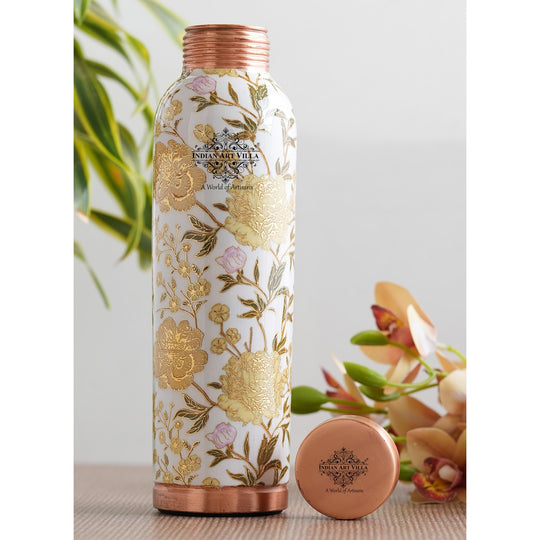
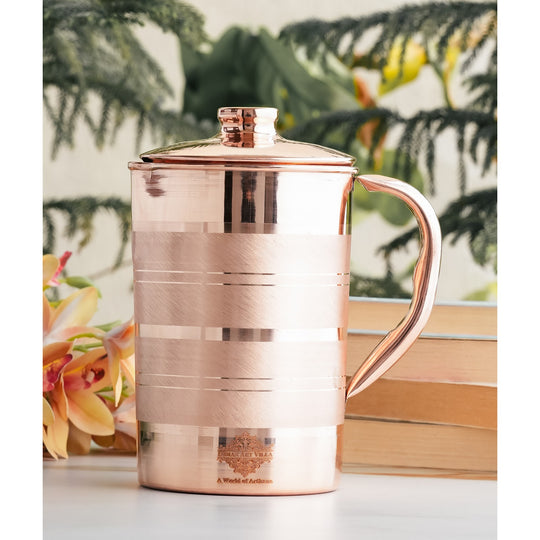
- Copper Water Bottles and Copper Jugs – Copper water bottles and jugs carry traditions from the past, once valued in every Indian home for health and purity. Today, Indian Art Villa revives this heritage with handcrafted pieces that blend cultural beauty and modern use. Eco-friendly and timeless, these vessels keep history alive while promoting wellness and sustainable living.
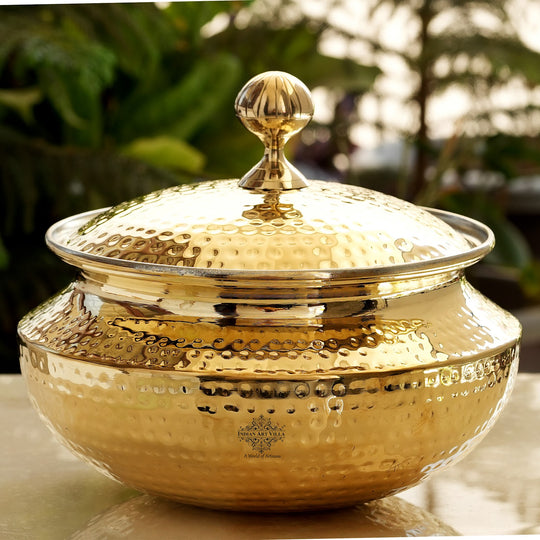
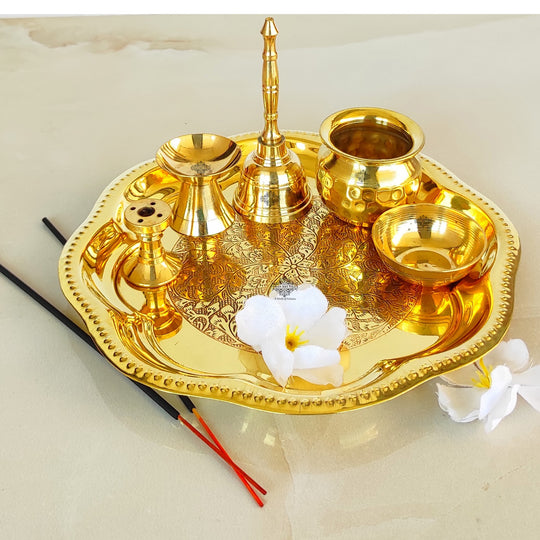
- Brass Cookware and Pooja Thalis – Brass cookware and brass pooja thalis have long been part of sacred rituals and family kitchens, symbolizing purity and tradition. Indian Art Villa continues this timeless heritage by offering handcrafted pieces that honor temple customs and enrich home practices. Durable, elegant, and cultural, they keep ancient traditions alive in modern living.
-
Silver-Plated Champagne Glass - A silver-plated champagne glass blends elegance with tradition, turning every celebration into a refined experience. Once reserved for royalty, these glasses symbolize grace and festivity. Indian Art Villa brings this charm alive with beautifully crafted pieces that add sparkle to weddings, parties, and gifting, keeping heritage alive in modern celebrations.
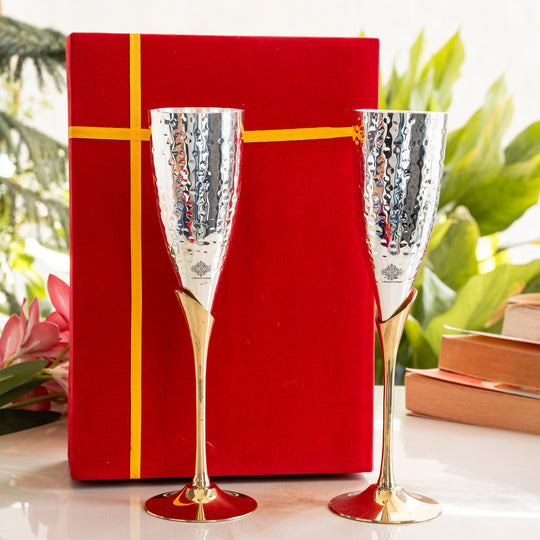
Every piece is handcrafted by skilled artisans, keeping alive the cultural essence of these metals while blending them with contemporary design.
Conclusion: The Legacy of Copper, Brass, and Bronze
From the earliest civilizations to today’s homes, copper, brass, and bronze have been more than materials — they have been storytellers of Indian culture. They witnessed rituals in temples, meals in royal kitchens, and art in dynastic courts.
By embracing these metals, we connect with a heritage that is eternal. At Indian Art Villa, our handcrafted pieces ensure that the glow of copper, the brilliance of brass, and the divinity of bronze continue to shine in every home — a legacy that truly never fades.
