


In the world of kitchen essentials, copper cookware sets have been gaining attention — not just for their gleaming look, but also for traditional charm and performance. However, with popularity comes confusion. There are many myths that people often hear before they even try copper cookware.
In this blog, we’ll explore 5 common myths about copper cookware sets, debunk them gently, and help you understand what’s true, what’s misunderstood, and what matters most when choosing cookware. Along the way, we’ll also introduce some quality options from Indian Art Villa that blend craftsmanship with usability.
1. Myth: Copper Cookware Is Only Decorative
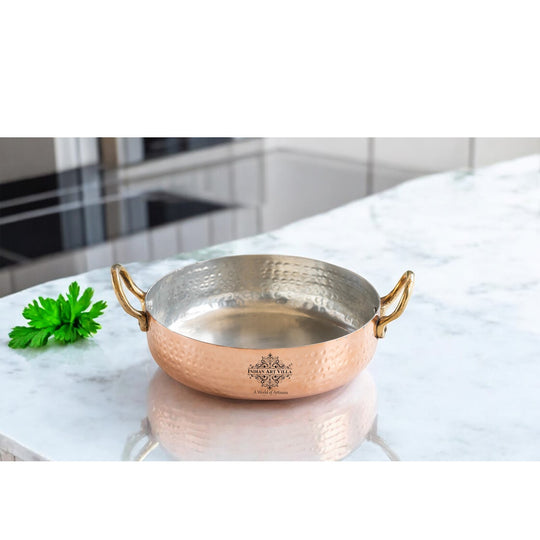
Many people see copper pots and pans and think they’re for showpiece kitchens or fancy restaurant displays. It’s a belief rooted in how shiny copper looks right out of the box.
👉 The truth is:
Copper cookwares are both beautiful and functional. Traditional cooks appreciate copper because it heats evenly — though how much that matters depends on your stovetop and cooking style. Good quality copper cookware can be used daily, though its maintenance might be slightly more than basic stainless steel.
Example: Indian Art Villa’s copper cookware sets are often crafted with attention to heat distribution and durability, not just aesthetics. These pieces look great in a modern Indian kitchen and are built to be used. They make a good option if you want both style and practicality.
2. Myth: All Copper Cookware Is the Same
This is one of the most common misconceptions. People often think “copper cookware” is just one single type — but in reality, there are important differences based on how the cookware is made.
For example:
-
Pure copper cookware vs. copper-coated cookware
-
Tin-lined (kalai) copper cookware, which is the traditional and commonly used style
-
Thickness of copper and overall craftsmanship, which affects durability and cooking performance
👉 The truth is:
Not all copper cookware performs the same. For example, many traditional copper cookware sets come with a tin interior lining (kalai), which has been used in Indian kitchens for generations. The thickness of the copper, the quality of the tin coating, and the overall craftsmanship can make a noticeable difference in how the cookware works and how long it lasts. That’s why it’s always helpful to choose well-crafted tin-lined copper pieces from trusted makers like Indian Art Villa.
Tip: When considering a set from Indian Art Villa, look at how the interiors are finished and what maintenance is recommended. Their ranges typically include pieces designed with user needs in mind — whether for everyday use or special occasions.
3. Myth: Copper Cookware Is Hard to Maintain
People often hear that copper is high-maintenance and will turn green or black if touched by water or used often. This partly comes from the nature of copper itself — it does patina over time.
👉 The truth is:
Copper cookware does require care, but it’s not difficult. Regular cleaning and proper drying help it stay in good condition. Once you adapt a simple routine, maintenance becomes quick and easy.
Here are a few simple tips:
-
Wash with IAV cleaning powder or natural cleaning options like lemon and vinegar
-
Dry immediately after washing
-
Avoid abrasive cleaners on unlined copper
If you prefer low-maintenance options, look for copper cookware with tin lining interior from Indian Art Villa. These combine copper’s visual appeal with the easier upkeep of tin lining.
4. Myth: Copper Cookware Is Unsafe
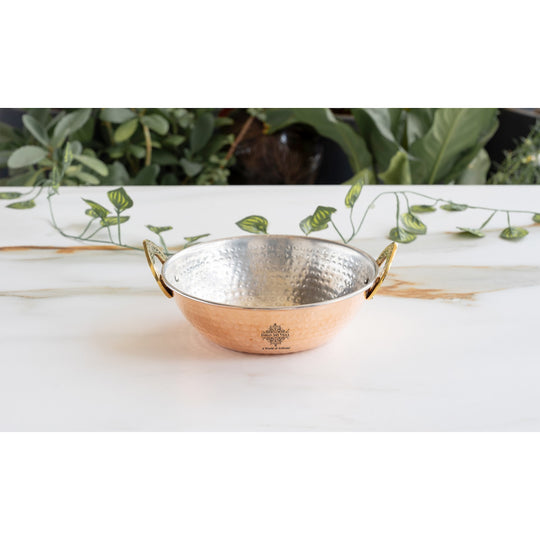
Safety concerns often stem from misunderstandings about copper reacting with food. Yes, unlined copper can react with acidic foods (like tomato or citrus), but quality cookware addresses this.
👉 The truth is:
Most reputable copper cookware sets — including those from Indian Art Villa — come with food-safe linings (like tin , also called a Kalai). These linings act as a buffer between food and copper, making them suitable for everyday cooking without worrying about reactions.
Still, if you ever use unlined copper, make sure you know the dos and don’ts:
-
Avoid cooking highly acidic dishes in unlined copper
-
Prefer lined alternatives if you cook a lot of curries, lemon-based dishes, or vinegar marinades
-
Follow manufacturer guidelines
So, safety isn’t about the material alone — it’s about how the cookware is finished.
5. Myth: Copper Cookware Heats Too Fast and Burns Food
Another belief is that copper heats “too quickly” and makes cooking tricky or leads to burnt food. This idea likely comes from comparing copper to thicker-bodied cookware like cast iron.
👉 The truth is:
Copper’s heat conductivity is indeed high — it responds quickly to temperature changes. But that doesn’t inherently mean you will burn food. In fact, many chefs appreciate this responsiveness because it gives better temperature control when sauteing, simmering, or making delicate sauces.
What matters is your cooking technique and heat management. Once you’re familiar with how copper behaves on your stove, you can adjust heat settings easily.
So, Should You Consider a Copper Cookware Set?
Yes , you should consider Copper cookware, as it is for those who enjoy :
-
Aesthetically pleasing cookware
-
Responsive heat
-
Traditional and artisanal designs
-
A blend of form and function
…then exploring copper cookware sets can be worth your time.
Where Indian Art Villa Fits In:
Indian Art Villa offers a curated range of copper cookware that respects tradition while being practical. Their products often combine copper exteriors with user-friendly interiors, making them suitable for Indian kitchens where diverse cooking styles are common.
Some points to consider when looking at their sets:
-
Type of lining (tin)
-
Piece count in the set (e.g., kadai, saucepan, tawa)
-
Handle quality and comfort
-
Maintenance requirements
This helps you choose a set that works for you without over-promising results.
Tips Before You Buy a Copper Cookware Set
Here are a few simple pointers:
-
Check the lining: Choose based on your cooking style — tin for traditional heat feel, stainless for low maintenance.
-
Start small if unsure: A 2-piece set like a small kadai and saucepan lets you experience copper without heavy investment.
-
Read care instructions: Every copper set needs slightly different care.
Final Thoughts
Copper cookware sets come with centuries of history and a touch of elegance. While there are myths floating around about how they work, the key is informed understanding and real expectations. Copper isn’t magic, but it’s a reliable choice when you know what it offers — and what it doesn’t.
If you’re curious about blending aesthetics with functionality in your kitchen, exploring options from Indian Art Villa could be a good place to start. Their products aim to balance tradition with everyday usability — without making exaggerated claims.
Happy cooking — and may your kitchen be full of warmth and flavor! 🍲✨
