


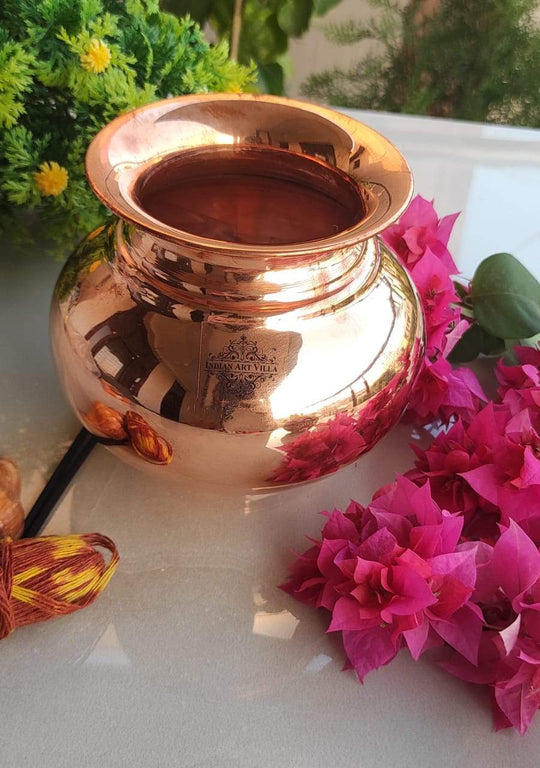
In many Indian homes, utensils are not just everyday objects — they are closely connected with health, tradition, and spirituality. Two commonly used vessels are the tambe ka lota (copper lota) and the steel lota (stainless steel lota). Both are practical and widely used for storing water and performing daily rituals.
However, when choosing between tambe ka lota vs steel lota, many people consider not only convenience but also purity, Ayurvedic benefits, and spiritual significance.
According to ancient Indian traditions, the material used to hold water can influence both its purity and its energy. This is why copper vessels have been used in Indian households for centuries — not only for drinking water but also for pooja, Abhishek, and Surya Arghya.
In this article, we will compare tambe ka lota vs steel lota and understand why copper vessels continue to hold a special place in both Ayurveda and Vedic traditions.
What Is a Tambe Ka Lota?
A tambe ka lota is a traditional vessel made from pure copper and has been used in Indian households for generations.
In Ayurveda, water stored in a copper vessel is known as Tamra Jal, which is traditionally believed to support balance among the body's three doshas – Vata, Pitta, and Kapha.
But the importance of copper goes beyond health. In many Vedic rituals and pooja practices, copper is considered a pure and sacred metal. Because of this, a tambe ka lota is often used for:
-
Offering Surya Arghya (water to the Sun)
-
Performing Shiv Abhishek
-
Filling water for daily pooja rituals
-
Keeping sacred water during religious ceremonies
Many scriptures and traditional practices recommend copper vessels for spiritual rituals because copper is believed to maintain the purity of water used in worship.
Today, beautifully crafted copper utensils from brands like Indian Art Villa allow households to continue these traditions while maintaining quality and elegance.
What Is a Steel Lota?
A steel lota is made from stainless steel and is widely used in modern kitchens. Stainless steel utensils are durable, affordable, and easy to maintain.
Steel lotas are commonly used for storing drinking water and performing general household tasks.
However, unlike copper, steel does not have the same traditional or spiritual significance in many Vedic practices. It serves as a practical utensil but is not typically associated with ritual purity or sacred use.
Tambe Ka Lota vs Steel Lota: Key Differences
Understanding the difference between these vessels can help you choose the right one for both daily use and spiritual practices.
1. Purity and Spiritual Significance
Tambe Ka Lota
In many Indian traditions, copper is considered a pure and sacred metal. Because of this belief, copper vessels are widely used during pooja and religious rituals.
When performing rituals like Surya Arghya or Abhishek, the intention of devotion is often combined with the purity of the vessel used.
Using a tambe ka lota helps maintain this symbolic purity, which is why copper vessels are commonly seen in temples and homes during worship.
Steel Lota
A steel lota is practical and convenient but is generally used for regular household purposes rather than sacred rituals.
While it can be used for water storage, it does not carry the same traditional spiritual symbolism as copper.
2. Ayurvedic Perspective
Tambe Ka Lota
According to Ayurvedic traditions, storing water in a tambe ka lota for several hours allows small traces of copper to naturally interact with the water.
This practice is traditionally believed to support:
-
Healthy digestion
-
Balanced metabolism
-
Harmony among Vata, Pitta, and Kapha
Because of these beliefs, many people drink water stored overnight in a tambe ka lota as part of their morning routine.
Steel Lota
A steel lota stores water safely but does not add any trace elements to it. It is useful for everyday hydration but does not provide the traditional Ayurvedic properties associated with copper vessels.
3. Role in Daily Rituals
Tambe Ka Lota
Copper vessels have long been part of daily spiritual practices in Indian homes.
A tambe ka lota is often used for:
-
Surya Arghya every morning
-
Shiv Abhishek during prayer
-
Keeping Gangajal for rituals
-
Water offerings during festivals
Because of this deep connection with spirituality, many people prefer to keep a copper lota specifically for pooja purposes.
Steel Lota
Steel lotas are more commonly used for general household purposes such as storing water or kitchen use.
They are functional but are not traditionally linked with religious ceremonies or Vedic rituals.
4. Durability and Maintenance
Tambe Ka Lota
Copper utensils require occasional cleaning to maintain their shine and purity. They can easily be cleaned using natural ingredients such as lemon and salt or specialized cleaning powders.
With proper care, a tambe ka lota can last for many years, making it both practical and meaningful.
Steel Lota
Steel utensils are durable and require minimal maintenance. They are easy to clean and commonly used in daily kitchen routines.
5. Connection with Tradition and Vastu
Tambe Ka Lota
In Vastu and traditional Indian practices, copper is often associated with positive energy and purity.
Keeping copper utensils in the home is believed to promote harmony and connect households with traditional wisdom.
Using a tambe ka lota for water storage or pooja rituals helps maintain this connection between daily life and spiritual tradition.
Steel Lota
Steel vessels are mainly valued for their practicality and durability rather than traditional symbolism.
Why Many People Prefer Tambe Ka Lota for Daily Use and Pooja
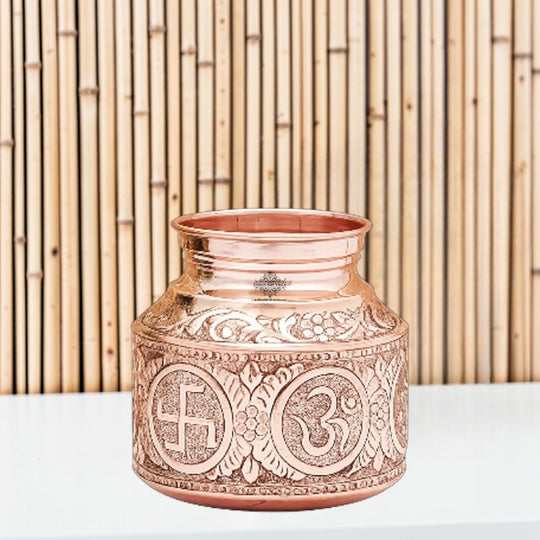
Today, many households are rediscovering the importance of traditional practices.
Using a tambe ka lota brings together several benefits:
-
It supports Ayurvedic morning hydration routines
-
It maintains purity during pooja and rituals
-
It connects modern homes with ancient Vedic traditions
-
It adds a touch of traditional elegance to everyday life
High-quality copper vessels crafted by Indian Art Villa combine traditional craftsmanship with modern durability, making them perfect for both daily use and spiritual practices.
Final Thoughts
When comparing tambe ka lota vs steel lota, both vessels are useful in their own ways.
Steel lotas are practical and convenient for everyday tasks. However, when it comes to Ayurvedic traditions, ritual purity, and spiritual practices, a tambe ka lota holds deeper significance.
From morning Surya Arghya to sacred Abhishek rituals, copper vessels have been trusted for centuries.
Choosing a well-crafted tambe ka lota allows you to bring together health, purity, and tradition in a simple daily practice that reflects the timeless wisdom of Indian culture.
FAQs
1. Why is tambe ka lota used in pooja?
Copper is traditionally considered a pure metal, which is why tambe ka lota is commonly used in pooja and rituals.
2. Can tambe ka lota be used for Surya Arghya?
Yes, many traditional practices recommend using a tambe ka lota for offering water to the Sun.
3. Is tambe ka lota good for Abhishek?
Copper vessels are widely used in Shiv Abhishek and other rituals due to their sacred significance.
4. Can tambe ka lota be used daily for drinking water?
Yes, many households use tambe ka lota daily for storing water overnight.
5. How do you clean a tambe ka lota?
A tambe ka lota can be cleaned easily using IAV cleaning powder or natural ingredients like lemon and salt.
