


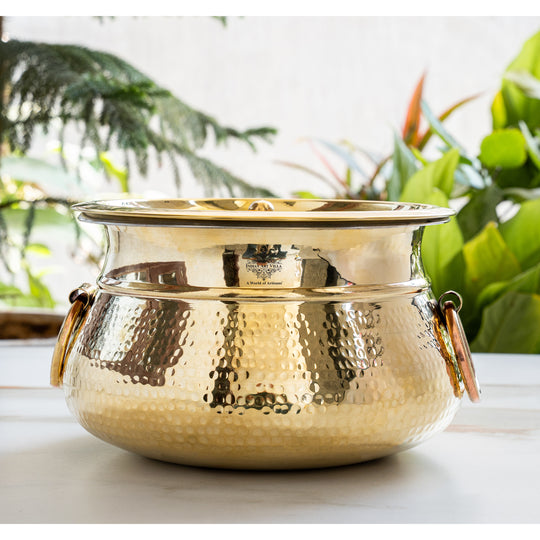
In today’s modern kitchens, cookware choices often revolve around convenience, durability, and health awareness. While steel and non-stick utensils dominate urban households, traditional cookware like brass kadai ,brass pan ,brass handi are steadily making a comeback. Rooted in Indian culinary heritage, brass cookwares such as brass handi is more than just a cooking vessel—it represents mindful cooking, slow food traditions, and artisanal craftsmanship.
At Indian Art Villa, handcrafted brass handis are inspired by age-old Indian kitchens while blending seamlessly into modern homes. Let’s explore why choosing a brass handi can be a meaningful upgrade to your cooking experience.
Understanding the Brass Handi Tradition
In Indian households, especially before the widespread use of stainless steel, tambe ke bartan aur peetal ke bartan were commonly used for cooking and storing food. A brass handi was often used for slow-cooked dishes like dals, curries, biryanis, and festive meals.
The rounded shape of a handi helps distribute heat evenly, allowing food to cook gradually and retain its natural flavors. This traditional wisdom continues to influence modern cooking choices.
Brass Cookware vs Steel Cookware
Steel utensils are popular due to their affordability and ease of maintenance. However, when compared thoughtfully, a brass handi offers a different cooking experience altogether.
Heat Distribution
Brass is known to conduct heat evenly, which helps reduce hotspots during cooking. This even heating supports slow cooking and prevents sudden burning, especially for gravies and traditional recipes.
Cooking Style
Steel cookware is often used for quick cooking, while a brass handi is better suited for slow-cooked meals, allowing spices and ingredients to blend naturally.
Cultural Connection
Cooking in a brass handi reconnects users with Indian culinary traditions, making everyday meals feel more rooted and intentional.
Brass Cookware vs Non-Stick Cookware
Non-stick cookware is convenient but often raises concerns regarding coating wear over time. A brass cookware, on the other hand, offers a more natural cooking surface.
Tin Lining for Safe & Traditional Cooking
Brass cookware is traditionally tin lining , a natural and food-safe metal that prevents direct contact between food and brass. Tin lining enhances safety, preserves authentic flavors, and provides a smooth cooking surface ideal for traditional Indian dishes when properly maintained.
Longevity
A well-maintained brass cookware can last for decades, making it a long-term kitchen companion rather than a disposable utensil.
Traditional Cooking Experience
Non-stick cookware is designed for speed, while brass encourages patience—an essential part of traditional Indian cooking.
Benefits of Cooking in a Brass Handi
While no cookware can guarantee health outcomes, brass utensils are traditionally believed to offer certain advantages when used mindfully.
Even Cooking & Flavor Retention
The thermal properties of brass allow food to cook evenly, helping preserve texture and aroma—especially useful for curries, lentils, and slow-cooked vegetables.
Inspired by Traditional Wisdom
In Indian traditions, brass utensils were valued for their balance of practicality and heritage. Cooking in a brass handi aligns with these time-tested practices.
Ideal for Festive & Everyday Meals
From everyday dal to festive biryani, a brass handi adds depth to cooking and presentation alike.
Handcrafted Brass Handi from Indian Art Villa
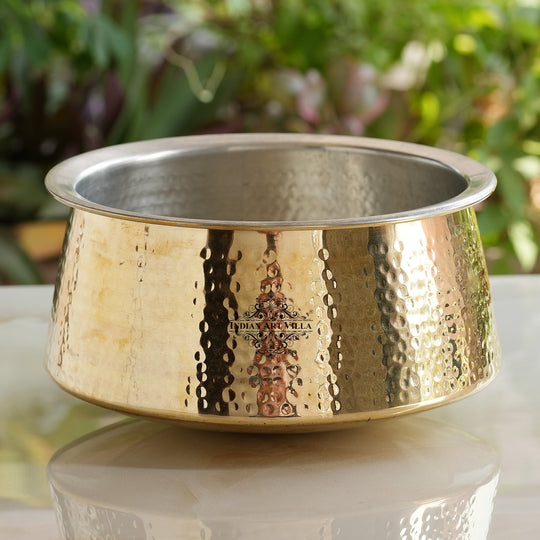
At Indian Art Villa, each brass handi is handcrafted by skilled artisans, reflecting generations of metalworking expertise. These products are not mass-produced; they are shaped, polished, and finished with attention to detail.
What Makes Indian Art Villa Brass Handis Special?
-
Handcrafted Finish – Each piece carries subtle variations that reflect authentic craftsmanship.
-
Traditional Design – Inspired by heritage cookware used in Indian kitchens.
-
Functional & Aesthetic – Suitable for cooking as well as serving.
-
Durable Material – Designed for long-term use with proper care.
Indian Art Villa focuses on preserving traditional art forms while making them relevant for modern lifestyles.
Using and Maintaining a Brass Handi
To enjoy the benefits of a brass handi, mindful usage and care are essential.
Suitable Foods
Brass handis are commonly used for cooking curries, vegetables, dals, and dishes that require slow simmering.
Cleaning Tips
Avoid harsh scrubbers. Gentle cleaning with natural agents helps maintain the finish and longevity of the utensil.
Why Brass Handi Fits Modern Kitchens
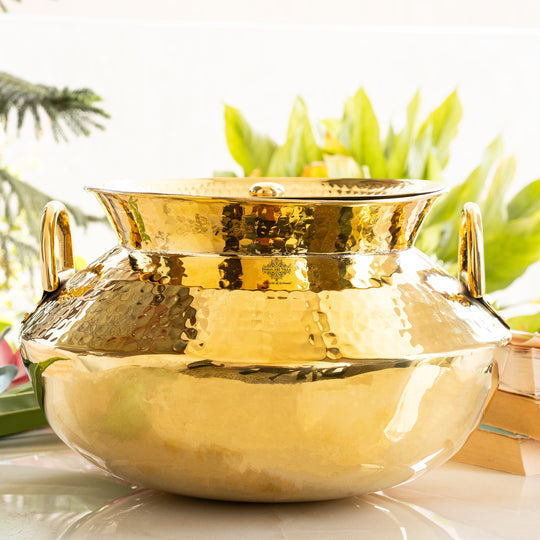
Even in contemporary homes, a brass handi fits beautifully—both functionally and visually.
-
Complements modern and traditional kitchen aesthetics
-
Encourages slow, mindful cooking
-
Reflects conscious living and sustainable choices
-
Makes a thoughtful gifting option for housewarmings and festivals
A handcrafted brass handi is not just cookware; it’s a lifestyle choice.
Sustainability & Artisanal Value
Choosing handcrafted brass cookware also supports Indian artisans and sustainable production practices. Unlike factory-made cookware, handcrafted products promote skill-based livelihoods and preserve cultural heritage.
Indian Art Villa actively works with artisans to ensure traditional metalcraft continues to thrive in today’s market.
Frequently Asked Questions (FAQs)
1. Why is a brass handi preferred for traditional cooking?
A brass handi is traditionally used for slow cooking as it allows even heat distribution and helps enhance natural flavors.
2. Is brass cookware suitable for daily use?
Brass cookware can be used regularly when handled and maintained properly, following traditional usage practices.
3. How is a brass handi different from steel handi?
Brass handis are traditionally associated with slow cooking and even heat, while steel handi is more commonly used for quick preparation.
4. Are Indian Art Villa brass handis handcrafted?
Yes, Indian Art Villa brass handis are handcrafted by skilled artisans using traditional techniques.
5. Can a brass handi be used for serving food?
Absolutely. Brass handis are often used for both cooking and serving, adding a traditional touch to the dining experience.
Conclusion
Choosing brass cookware over steel or non-stick is not about replacing modern tools but embracing balance. It’s about reconnecting with Indian culinary traditions while making mindful choices for everyday cooking.
With Indian Art Villa’s handcrafted brass cookware, including tin-lined, you bring home authenticity, craftsmanship, and a piece of India’s timeless kitchen heritage.
