


Introduction
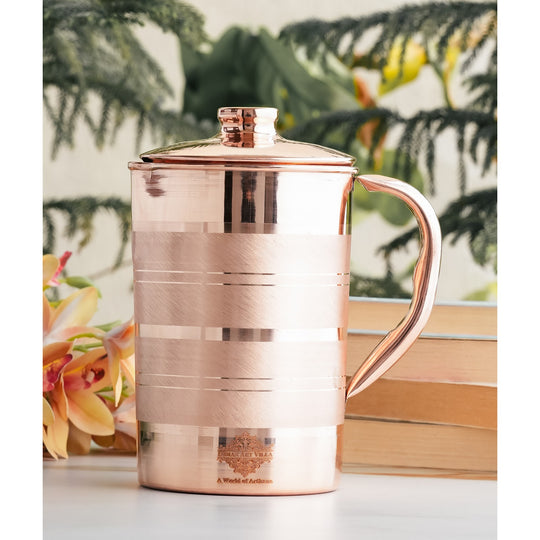
Copper has a unique, well-documented health story for drinking water that brass doesn't carry in quite the same way — copper is a single pure metal your body actually needs, while brass is a copper-zinc alloy valued more for durability and craftsmanship. That's the short answer. But if you've ever stood in a store (or scrolled through one online) staring at a copper bottle next to a brass one, wondering if it even makes a difference — you're not alone. Most people assume “it's all the same old-world metal stuff,” and move on. It isn't quite that simple, and the difference is worth understanding so you can pick the right vessel for the right purpose.
This guide breaks it down in plain language — no chemistry degree required — so you walk away knowing exactly which one belongs on your kitchen counter and which one belongs somewhere else in your home.
What's the Actual Difference Between Copper and Brass?
Copper is a naturally occurring pure metal, while brass is a man-made alloy — typically copper mixed with zinc, sometimes with small amounts of other metals like lead or tin added for strength and shine. Think of copper as the original ingredient, and brass as a recipe made using that ingredient plus a few others.
This matters for drinking water because copper, on its own, has a well-documented relationship with the human body — it's a trace mineral we actually need in small amounts every day. Brass, on the other hand, is valued more for its workability, golden colour, and durability, which is exactly why it's such a popular choice for everyday tumblers and jugs as well as idols, decorative items, and ritual objects.
Why Copper Is the Traditional Choice for Drinking Water
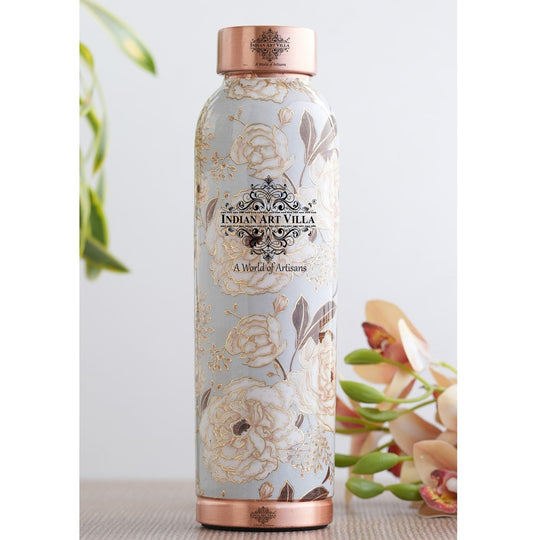
Copper has been used for storing and drinking water in Indian households for thousands of years because of something called the oligodynamic effect — copper ions naturally interacting with water to give it mild antimicrobial properties. This is the science behind the Ayurvedic practice of Tamra Jal, where water is stored overnight in a copper vessel and consumed first thing in the morning.
When you drink water that's rested in copper, you're getting trace amounts of copper that support iron absorption, may aid digestion, and contribute to a small daily dose of a mineral your body genuinely uses for things like nerve function and forming red blood cells. None of this happens overnight or in dramatic fashion — it's a slow, cumulative habit, the same way eating a balanced diet works over weeks, not a single meal.
This is also why you'll find copper water bottles, jugs, and dispensers made and sold specifically for daily hydration, often by craftsmen who've worked in pure copper for generations.
Where Brass Fits Into the Picture
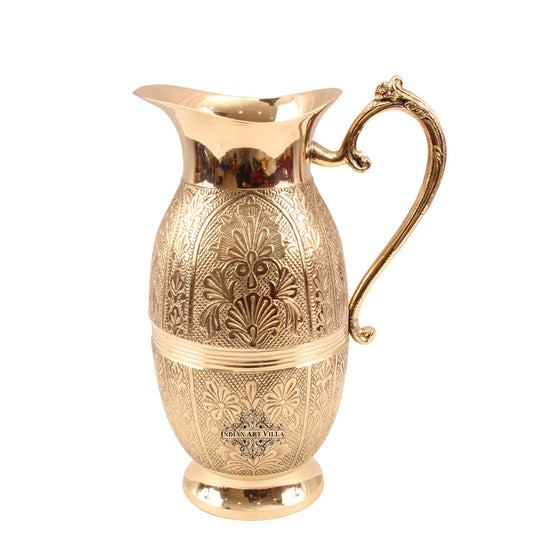
Brass is a sturdy, time-tested metal for water vessels too, but it earns its place for different reasons than copper does — durability, craftsmanship, and tradition, rather than copper's specific oligodynamic effect. Brass jugs, and glasses have a long history in Indian households, especially in regions and rituals where brass is the preferred metal for everything from pooja thalis to everyday tumblers.
Good quality brass drinkware made from food-grade brass is generally considered safe for regular use. What it doesn't carry is copper's specific, well-documented mineral story — the oligodynamic effect and the Ayurvedic Tamra Jal practice are particular to pure copper, not brass. So if your goal is specifically that copper-water health habit, copper is the metal built for it. If you simply want a durable, beautifully finished traditional vessel for water — one that resists dents, holds an intricate design, and doesn't need the same frequent cleaning copper does — brass is a perfectly solid, traditional choice in its own right.
This is really a “different tool for a different goal” situation rather than one metal being unsafe and the other safe. Plenty of households happily use both: brass for everyday tumblers and serving vessels, and copper specifically for the overnight-rest water habit.
Side-by-Side: Copper vs Brass for Water
|
Factor |
Copper |
Brass |
|
Composition |
Pure metal |
Alloy (copper + zinc, sometimes other metals) |
|
Best for |
The specific health habit of drinking copper-rested water |
Durable, everyday water vessels, serving ware, idols, pooja thalis |
|
Health benefit for water |
Oligodynamic effect, trace mineral benefits |
No specific mineral-benefit claim, but safe for general use when food-grade |
|
Maintenance |
Tarnishes, cleaned with lemon/tamarind |
More durable, resists tarnish and dents better |
|
Traditional use case |
Tamra Jal (Ayurvedic water storage) |
Everyday tumblers,serving vessels, religious and ornamental use |
|
Daily use safety |
Safe with proper care and cleaning |
Safe with proper care, when good quality food-grade brass is used |
What About Brass Water Vessels You Already Own?
Brass water vessels — jugs, glasses — are perfectly fine to keep using; you're not doing anything wrong by drinking from brass. A beautifully hand-engraved brass jugs, a glass you grew up drinking from, or a brass tumbler at the dinner table is a normal, traditional part of many Indian households, and there's nothing here suggesting otherwise.
The only distinction worth knowing is that brass doesn't give your water the specific oligodynamic, copper-ion effect that pure copper does. So if someone in the house wants that particular Ayurvedic water-resting habit, that's the moment to reach for a copper vessel specifically. For everything else — daily tumblers, serving, festive and ritual use — your brass pieces are doing exactly what they're meant to do.
How to Choose the Right Vessel for Drinking Water
The right copper vessel for drinking water is one made from food-grade, pure (ideally 99%+) copper, without any internal coating, lacquer, or lining that would block the metal from actually interacting with the water. A few practical pointers:
• Check the purity. Look for sellers who are upfront about copper percentage rather than vague “copper-finish” language, which sometimes just means a copper coating over another base metal.
• Pick the right format for your routine. A copper jug or pot works well for the classic overnight-rest habit, a copper bottle suits people on the move, and a copper dispenser makes sense for a family sharing the same source through the day.
• Plan to clean it regularly. Copper naturally develops a dark patina over time, which is harmless but should be cleaned off periodically using a halved lemon with salt, or tamarind paste — both traditional, chemical-free methods that restore the shine and the metal's contact with water.
If you're shopping for one, look for hand-hammered pieces from craftsmen who specialise in pure copper drinkware — the kind of detail that tells you it's made for daily use, not just for display. And if you're choosing a brass piece for your table instead, the same logic applies: look for good quality, food-grade brass with a smooth, well-finished interior, so it's just as easy to keep clean and just as built to last.
A Quick Word on Moderation
Like any good habit, drinking copper-infused water works best in moderation — there's no need to drink only copper water all day, every meal. A glass or two from water that's rested overnight is the traditional approach, not a strict replacement for all your daily water intake. If you ever notice an unusual metallic taste, mild stomach discomfort, or you have a known copper-related health condition, it's worth easing off and speaking to a doctor.
The Bottom Line
For the specific habit of drinking water that's rested overnight for its mineral benefits, copper is the metal with the real, centuries-old story behind it — but that doesn't make brass the wrong choice for water in general. Once you understand that copper carries a unique, well-documented health tradition through the oligodynamic effect, and brass is a durable, beautifully crafted metal valued for everyday use and tradition of its own, the choice becomes less about “right vs wrong” and more about matching the metal to what you're trying to do. Reach for copper when you specifically want that Ayurvedic water habit, and feel just as good reaching for your brass tumbler, or jug the rest of the time.
Frequently Asked Questions
Is brass or copper better for water?
Copper has the stronger health story for water specifically because of its oligodynamic effect, which gives water resting in it mild antimicrobial properties — a benefit unique to pure copper. Brass, a copper-zinc alloy, doesn't carry that same specific mineral benefit, but good quality, food-grade brass vessels are traditionally used for water too and are considered safe for everyday use.
Which metal is healthiest for drinking water?
Copper is generally considered the healthiest metal for drinking water among traditional options, since it's a trace mineral the body needs daily and has centuries of Ayurvedic use behind it through the practice of storing water overnight in copper vessels. That said, this is specific to the copper-water health habit — it doesn't mean other traditional metals like brass are unhealthy to drink from.
Is it better to drink water in copper or brass?
If your goal is the specific Ayurvedic copper-water habit and its mineral benefits, copper is the better choice, since that effect comes from copper specifically. If you're simply choosing a durable, traditional metal vessel for everyday water, good quality brass is a safe and time-tested option too — it just doesn't offer that particular oligodynamic benefit.
Which is good for health, brass or copper?
Copper is the metal with the documented health angle for drinking water, thanks to the oligodynamic effect that copper ions have on stored water. Brass doesn't carry that same specific health claim, but it remains a safe, sturdy, and widely used metal for water vessels, tumblers, and serving ware when made from good quality, food-grade brass.

