


If you have ever stood in front of a shop shelf, or scrolled through a website, wondering "Can I actually keep a brass idol in my pooja room?", you are in very good company. It is one of the most common questions Indian families ask, especially before Dhanteras and Diwali, a griha pravesh, or when picking a wedding gift.
The short answer: yes, absolutely. Brass, or pital as most of us call it at home, is one of the most traditional metals for murtis in Indian homes and temples. Chances are your grandmother's mandir already had a brass Ganesh ji, a Laddu Gopal and a couple of diyas.
In this guide, we'll keep things simple. We will cover why brass works so well, what Vastu generally says about direction and size, how to place and look after your idols, and what to check before you buy.
Why Brass Idols Are a Favourite in Indian Homes
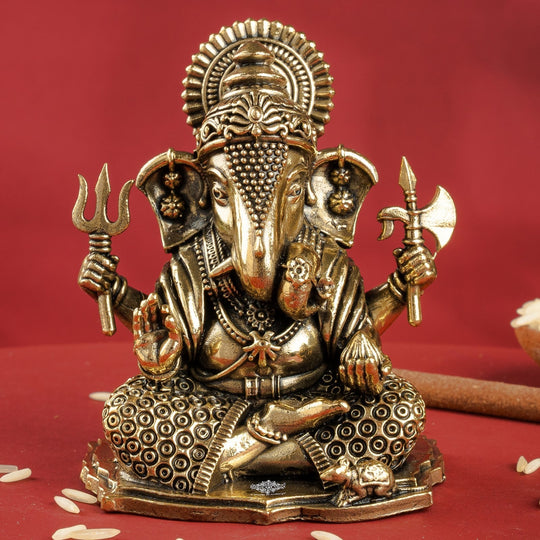
There is a reason brass has survived generations of daily pooja. Here is what families love about it:
-
It is strong. Brass is an alloy of copper and zinc. It does not crack, chip or break easily the way clay or stone can.
-
It is non-porous. Doing abhishek with water, milk or panchamrit? Using kumkum, haldi or chandan? Brass handles it all without soaking up stains.
-
It lasts for generations. A well-kept brass murti can be passed from parents to children and still look lovely.
-
It suits every mandir. The warm golden glow looks good in a wooden temple, a marble mandir or a modern wall-mounted unit.
-
It feels auspicious. Many families see the tarnish of brass as a sign of purity and prosperity.
-
It is easy to care for. Tamarind, lemon and salt from your kitchen are enough to bring the shine back.
What Does Vastu Say About Brass Idols?
Good news first: brass is widely accepted for pooja room idols. Metals like brass and copper are the usual choices in Indian homes, and Vastu guides generally have no objection to them.
What matters more is how you keep the idols: the size, the direction, the cleanliness and the place. Let's look at each one.
One small note: customs differ from family to family and region to region. If your family follows a specific tradition, or has a family pandit you trust, go with that. The points below are the commonly followed guidelines.
Where to Place Brass Idols in the Pooja Room
-
Pooja room location: The north-east corner of the house (Ishanya) is considered the most auspicious spot for a mandir.
-
Direction: Most Vastu guides suggest that idols face east or west, so that you face east or west while praying. East is the most preferred. Avoid placing idols so that they face south.
-
Keep them elevated: Place idols on a clean chowki, platform or shelf, never directly on the floor.
-
Leave a little gap from the wall: This allows air to move around the idol and helps the incense fragrance spread.
-
Avoid wrong spots: Bedrooms, spaces next to a bathroom wall, and the area under a staircase are generally best avoided for a pooja room.
What Is the Ideal Size of a Brass Idol for Home?
A commonly quoted Vastu guideline says idols in a home pooja room should not be taller than about 18 inches. You do not need anything close to that for most homes. Here is a simple rule of thumb:
|
Your mandir |
Idol height that usually works |
|
Small shelf or wall-mounted mandir |
3 to 6 inches |
|
Standard home mandir |
6 to 12 inches |
|
Large pooja room or separate pooja space |
12 to 18 inches |
Another easy test: choose a size you can lift, bathe and wipe comfortably every day. Daily pooja should feel easy, not like a workout.
Which Brass Idols Are Good for a Home Mandir?
Most families already have their ishta devta (personal deity), so start there. Some popular brass idols in Indian homes are:
-
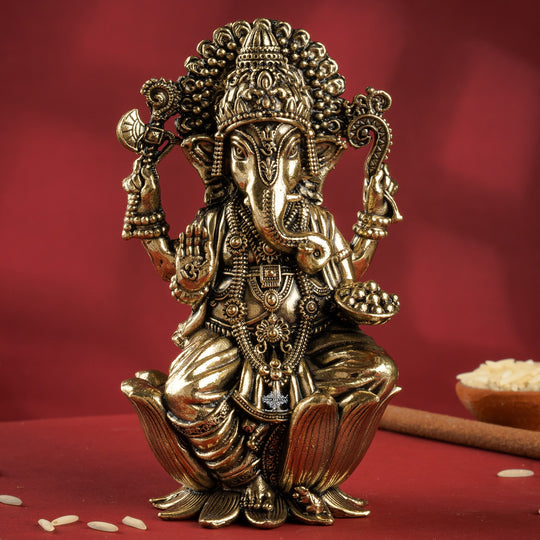
Ganesh ji: Usually the first idol in any home mandir, worshipped before every new beginning.
-
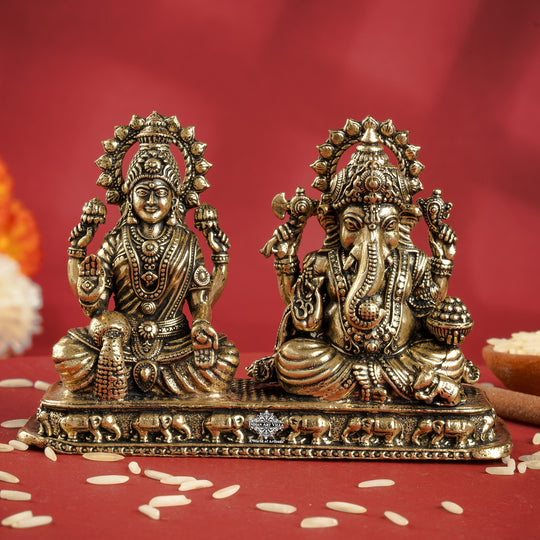
Laxmi-Ganesh pair: A must-have for Diwali pooja and for new homes and shops.
-
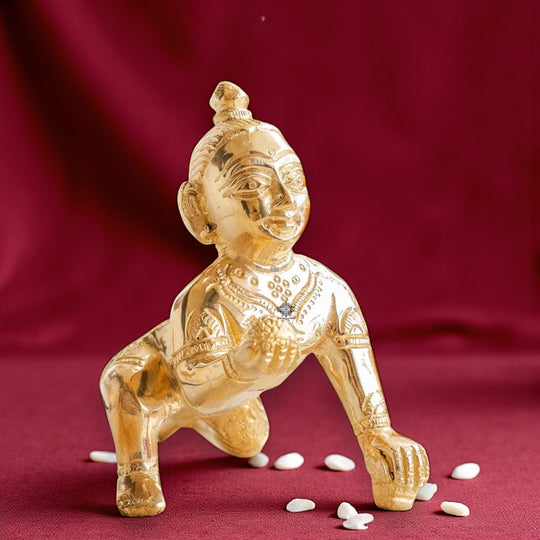
Laddu Gopal / Krishna: Loved by families who do daily seva of Bal Gopal.
-
Shiva, Hanuman and Durga: Common in households with regular aarti and weekly pooja.

-
Ram Darbar and Vishnu-Laxmi: Popular for families who like to keep a complete divine family.
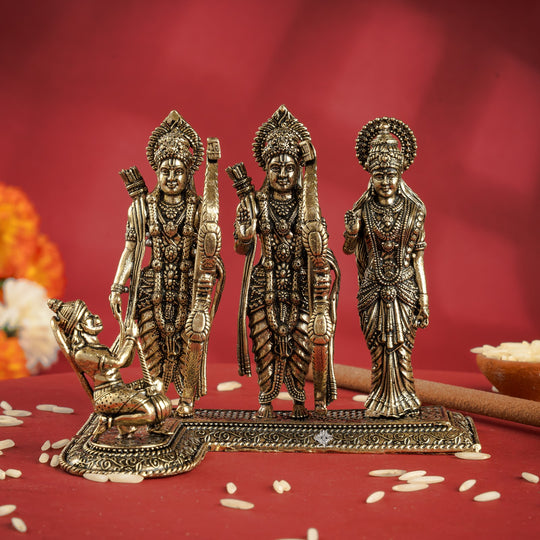
One more tip: 1 to 2 idols per deity is plenty. A crowded mandir looks cluttered and makes cleaning hard.
Quick Dos and Don'ts for Brass Idols in the Pooja Room
Do:
-
Wipe your idols gently with a soft, dry cotton cloth every day.
-
Keep the pooja room clean and well lit with a brass diya.
-
Place idols on a clean surface and keep fresh flowers and offerings tidy.
-
Dry the idol properly after abhishek so water spots do not form.
Don't:
-
Don't keep a broken or badly damaged idol for worship. Many families follow their own tradition for respectfully parting with it, so check with your family pandit.
-
Don't overcrowd the mandir.
-
Don't keep a dustbin or storage junk in or near the pooja room.
-
Don't use harsh chemicals or steel wool to clean brass.
How to Clean Brass Idols at Home
Brass turns dark over time. This is just natural oxidation, not a defect. The good news is that two traditional Indian methods work really well:
Tamarind and salt (the classic):
-
Mix a small ball of tamarind pulp with a teaspoon or two of salt to make a paste.
-
Rub it gently on the idol with a soft cloth or an old toothbrush for the corners.
-
Leave it for a few minutes.
-
Rinse with clean water and dry immediately with a soft cotton cloth.
Lemon and salt (quick fix):
-
Dip half a lemon in salt.
-
Rub gently over the idol.
-
Rinse and dry well.
Good to know:
-
Some brass idols have a protective lacquer coating. Acids can dull this, so try a tiny hidden spot first.
-
For idols you worship daily, a gentle wipe is enough. A deeper clean every few weeks, or before festivals like Diwali, keeps the shine going.
-
Always dry brass completely. Water spots are the real enemy.
How to Choose a Good Brass Idol
Before you buy, quickly check these things:
-
Material: Ask whether the idol is solid brass, hollow or plated. Solid brass feels noticeably heavier. As a simple check, genuine brass is not strongly magnetic.
-
Face and detailing: Look closely at the eyes, expression and jewellery. A calm, well-finished face is a sign of good craftsmanship.
-
Finish: Polished gold looks bright and festive, while an antique finish gives a traditional temple feel. Pick what suits your mandir.
-
Stable base: The idol should stand firmly without wobbling.
-
Smooth edges: Run your finger along the edges and base to check there are no sharp or rough spots.
Brass Idols from Indian Art Villa
At Indian Art Villa, we have been working with handcrafted brass, copper, bronze and silver-plated products since 2012, and brass idols are among the pieces our customers come back for again and again. Our collection of brass idols is made for Indian homes, from compact murtis for a small wall mandir to larger ones for a full pooja room.
Here is why families choose Indian Art Villa for their brass idols for pooja room:
-
Brass idols of the deities Indian families worship most, such as Ganesh ji, Laxmi-Ganesh, Krishna, Shiva, Hanuman and Durga
-
Handcrafted brass pieces with attention to the face and fine detailing
-
Idols that suit daily pooja, festivals and gifting for housewarmings, weddings and Diwali
-
Backed by 25,000+ customer reviews across our products
-
Bulk and B2B enquiries are welcome
Looking for the perfect murti for your mandir this festive season? Explore our brass idols collection at indianartvilla.in.
Final Thoughts
So, can you keep brass idols in the pooja room? Yes, and it is one of the best choices you can make. Brass is strong, easy to care for and deeply rooted in Indian tradition. Pick the right size, place the idol in a clean, elevated spot, keep the direction in mind and give it a regular wipe, and your brass murti will bring beauty and peace to your home for years.
Frequently Asked Questions (FAQs)
Q. Can we keep brass idols in the pooja room at home?
A. Yes. Brass is one of the most traditional and widely used metals for idols in Indian home temples. It is strong, safe for abhishek and lasts for generations.
Q. Are brass idols good as per Vastu?
A. Yes. Vastu guides commonly accept brass and copper idols for the pooja room. What matters more is the direction, size, cleanliness and placement of the idol.
Q. What is the ideal size of a brass idol for a home pooja room?
A. A commonly quoted Vastu guideline is not to go above 18 inches. For most homes, 6 to 12 inches is comfortable. Choose a size you can easily lift, clean and bathe.
Q. How often should I clean brass idols?
A. Wipe them with a dry soft cloth daily and do a deeper clean every few weeks, or before big festivals like Diwali.
Q. Which is better for a home mandir, brass or marble idols?
A. For daily pooja and abhishek, brass is more practical because it is non-porous and does not stain with haldi, kumkum or liquids. Marble gives a lovely serene look but needs more careful handling.
Q. Which brass idol should I buy for Diwali pooja?
A. A Laxmi-Ganesh pair is the most popular choice for Diwali and is also a lovely gift for housewarmings and new shops.
Q. Where can I buy brass idols online in India?
A. You can explore handcrafted brass idols for your home mandir at Indian Art Villa (indianartvilla.in), and reach out to us for bulk or B2B requirements.

