


A copper utensils manufacturer that makes food-grade copper bottles, jugs, glasses, and cookware in-house — hand-hammering or spinning the metal themselves rather than just reselling whatever is available. Indian Art Villa is one of them, making solid, food-safe copper pieces for people buying a bottle or two for home, right up to hotels and retailers placing B2B and wholesale orders. Whichever camp you're in, the questions worth asking are pretty much the same — you're just asking them at a bigger scale.
First: Is It Actually Copper, or Just Copper-Coloured?
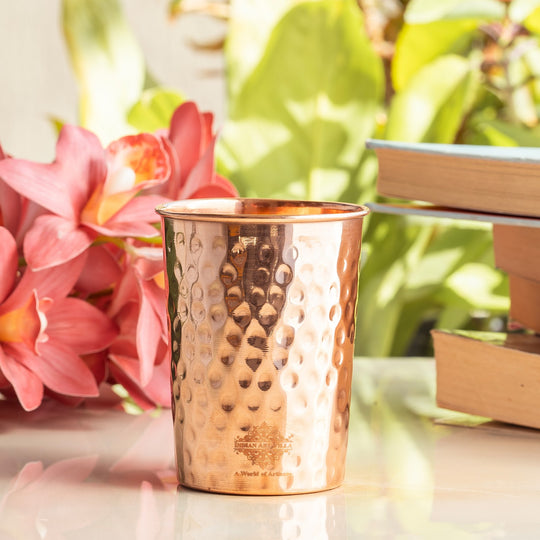
This is the part almost nobody checks, and it's the one that matters most. Plenty of "copper" utensils on the market are really brass or steel with a thin copper coating — cheaper to make, lighter in hand, and the coating wears off within months. Here's roughly what you're choosing between:
|
What you're buying |
What it actually means |
|
99%+ pure copper |
The real thing. Heavier, develops a natural patina, holds up for years |
|
Copper-coated brass/steel |
Looks the part on day one, then the coating thins and patchiness shows |
|
Copper alloy blends |
Other metals mixed in to cut cost — weight and colour won't quite match pure copper |
A quick way to test it yourself: pure copper feels noticeably heavier for its size, and a scratch reveals the same reddish tone underneath. But honestly, you shouldn't have to test it — a manufacturer confident in their metal will just tell you the purity upfront. If you're placing a bulk order, get that confirmation in writing, because fixing a mismatched batch after it's arrived is a far bigger headache than asking the question beforehand.
Hand-Hammered or Machine-Made — Does It Really Matter?
It does, and it comes down to what you're prioritising. Hand-hammered pieces are shaped by artisans striking copper sheet over a mold, a craft that goes back generations — you'll notice a slightly dimpled texture, and the pieces tend to be a touch heavier and more durable as a result. Machine-spun copper is smoother and more uniform, and it's usually the more practical choice when you need larger quantities produced quickly and consistently, say for a hotel order or a corporate gifting run. Neither is "better" outright — it depends whether you want the handmade character or the production consistency. What you don't want is paying handmade prices for a machine-spun piece, so it's worth just asking which one you're getting.
What Are People Actually Ordering?
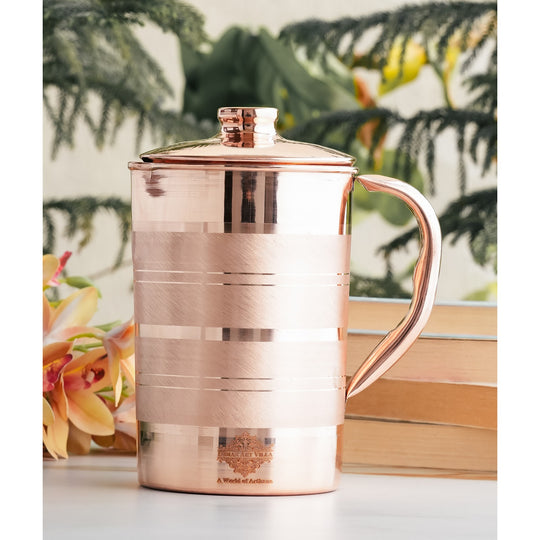
If you're not sure where to start, most orders land in one of these buckets — water bottles and jugs for everyday Tamra Jal storage or hotel amenities, glasses and tumblers for home dining or restaurant service, lined cookware for actual cooking, and gift or corporate sets for festival season and bulk corporate gifting. Knowing which bucket you're in helps narrow down what to ask about — cookware buyers need to think about lining, bottle buyers mostly don't.
Why Everyone Keeps Talking About Copper and Ayurveda
You've probably seen this claim before: water left overnight in a copper vessel — Tamra Jal — is supposed to be good for you. It's rooted in Ayurveda, and the science-adjacent explanation people point to is copper's oligodynamic property, its natural ability to inhibit certain microorganisms it comes into contact with. Worth knowing, though, that this tradition is really about water storage, not cooking. Bare copper and acidic food left in contact for too long isn't ideal, which is why cookware is usually lined and drinking vessels usually aren't.
Where People Usually Go Wrong
A few patterns come up again and again with buyers who skip due diligence. One is assuming a super shiny, mirror-like finish equals better quality — actually, hand-hammered copper is supposed to look slightly textured, so an unusually polished surface can be a sign of a thin coating rather than solid metal. Another is jumping straight to a bulk order without requesting a sample first; a couple of test pieces to check weight, purity, and finish is a small ask that can save you from a batch-wide problem later. And the third is not asking about after-sales support at all — what happens if a piece tarnishes badly or arrives damaged matters just as much as the upfront price, especially for B2B buyers making repeat orders.
Where Indian Art Villa Comes In
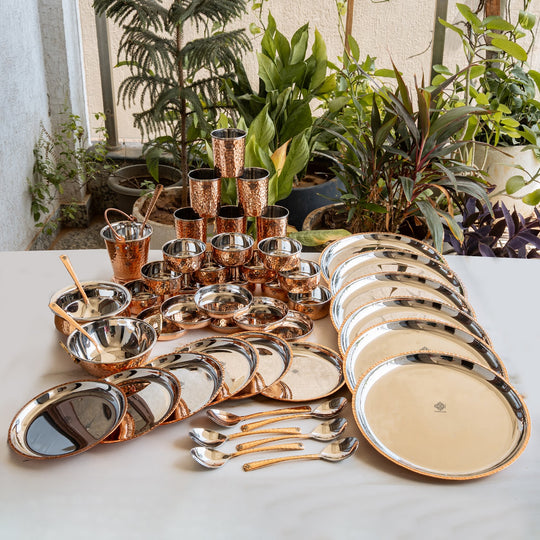
Indian Art Villa makes copper water bottles, glasses, jugs, and kitchen sets, working with food-grade copper and finishing every piece for daily use. Beyond one-off retail purchases, they also handle B2B and wholesale orders — retailers, hotels, corporate gifting buyers, and export partners all source from them, with purity and finish checked consistently whether it's ten pieces or ten thousand.
Keeping Copper Looking the Way It Should
● A lemon-and-salt scrub, rinsed off well, handles most everyday tarnish without any harsh chemicals.
● Skip abrasive scrubbers on lacquered or engraved pieces — they'll wear the finish down faster than tarnish ever would.
● Don't let acidic food sit in unlined copper cookware for long stretches.
● Dry pieces fully after washing — leftover moisture is what usually causes uneven spotting.
Frequently Asked Questions
How do I check if a copper utensil is genuinely pure copper?
Pick it up — pure copper feels noticeably heavier than a plated piece of the same size. A scratch test backs this up too: real copper shows the same reddish tone underneath, while plated pieces reveal a different metal. Ideally, you shouldn't have to test at all — a trustworthy manufacturer states the purity percentage directly.
Why do two copper bottles of the same size cost so differently?
It usually comes down to purity, how it was made, and how much finishing went into it. A hand-hammered, 99%+ pure copper piece costs more to produce than a machine-spun or copper-coated one, and any hand-engraving adds further labor cost on top of that.
Do I need lined copper for cooking, or is bare copper fine?
For cooking, go lined — bare copper reacting with acidic ingredients over time isn't ideal, so most cookware gets a tin or stainless-steel lining. Drinking-water vessels are the exception; they're usually left unlined on purpose, since direct copper contact is the whole point of Tamra Jal storage.
Can I place a bulk or B2B order with Indian Art Villa?
Yes — Indian Art Villa supplies copper utensils at both retail and B2B/wholesale volumes, working with retailers, hotels, corporate gifting buyers, and export partners on bulk and customised orders.
What's the easiest way to clean copper without damaging it?
A simple lemon-and-salt mix, rubbed on and rinsed off, clears most surface tarnish without any risk to the metal. Steer clear of harsh chemical cleaners and abrasive scrubbing pads, especially on lacquered or hand-engraved pieces.
