


If you've ever picked up a brass diya, turned it over in your hands, and felt that satisfying weight and warmth, you already know why this metal has held a special place in Indian homes for centuries. But if you've started actually shopping for brass — a pooja thali, a set of brass bowls, a decorative showpiece — you've probably also realised something else: not all brass is created equal, and not every seller is worth your trust.
So where should you actually buy brass items in India? Let's walk through it together, from the old-world markets that built brass's reputation to the online stores that are making it easier than ever to bring authentic pieces home.
Why Brass Still Matters in Indian Homes
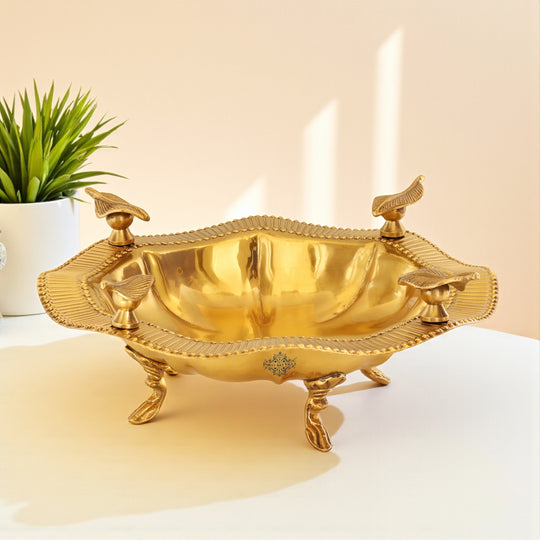
Brass isn't just another metal — it's woven into daily ritual and festive tradition across the country. It shows up on the pooja mandir as diyas and kalash, on the dining table as thalis and glasses, and in the living room as candle stands and idols. Part of the appeal is practical: brass is durable, doesn't chip like ceramic, and only gets more beautiful with age and use. Part of it is cultural — brass is considered an auspicious metal, closely tied to temple rituals and traditional Indian households.
That combination of beauty, durability, and meaning is exactly why demand for genuine brass products has stayed strong, even as home decor trends come and go.
What to Check Before You Buy Brass Items
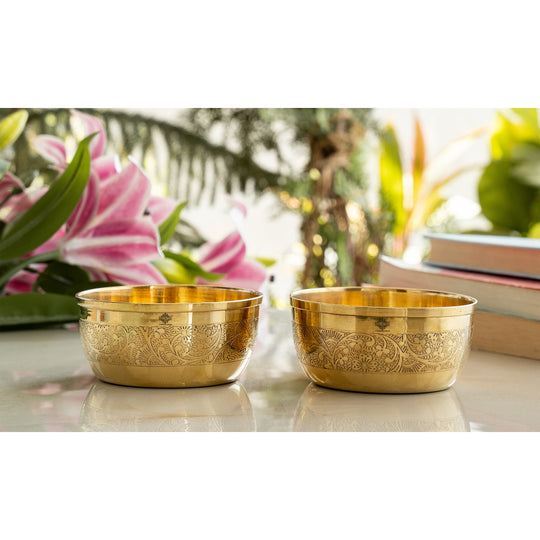
Before we get into where to shop, it's worth knowing what separates a good brass piece from a poor one:
-
Weight and thickness: Genuine brass items feel substantial. If something feels unusually light or flimsy, it's likely a thin, lower-quality casting.
-
Finish: Look for smooth, even surfaces without rough edges or visible seams. Hand-finished pieces will have slight, charming variations — that's normal and part of the craft.
-
Alloy quality: Good brass is a blend of copper and zinc in the right proportion, giving it that classic golden-yellow shine. Poor-quality alloys can look dull or tarnish unusually fast.
-
Purpose-fit: Cookware and items meant for daily use should ideally be food-safe or tin-lined, while decorative pieces have more flexibility in finish and design.
Keeping these in mind will help you evaluate any seller, whether you're at a market stall or scrolling through an online store.
The Traditional Route: India's Famous Brass Markets
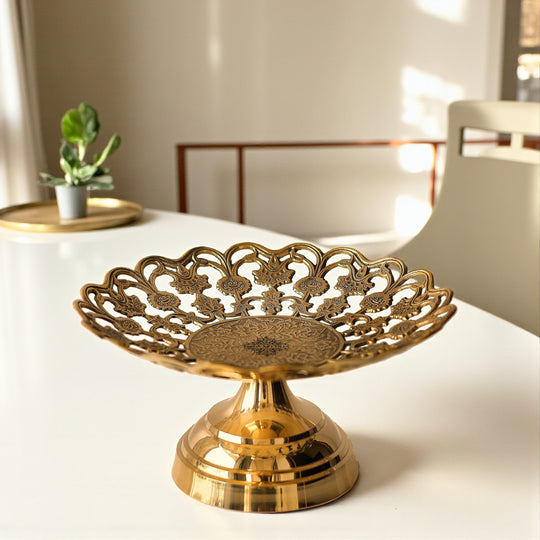
India has entire towns and city quarters built around brass craftsmanship, and visiting them (even just to browse) is an experience in itself.
Moradabad, Uttar Pradesh is often called the "Brass City" of India, and for good reason — it's one of the largest hubs of brass manufacturing and export in the country, known for intricate engraving and a huge variety of designs.
Jaipur has long been associated with fine metal craftsmanship, including brass, alongside its famous work in silver and copper. The city's artisan clusters produce everything from religious idols to detailed home decor pieces.
Chandni Chowk in Delhi is another legendary spot, especially for brass utensils, pooja items, and antique-style pieces, tucked into narrow lanes packed with generations-old shops.
The upside of buying in person at these markets is that you can inspect the weight, finish, and craftsmanship yourself, and often negotiate. The downside? It takes time, travel, and a fair bit of market know-how to avoid overpaying or ending up with a mixed-metal piece passed off as pure brass.
The Modern Route: Buying Brass Online in India
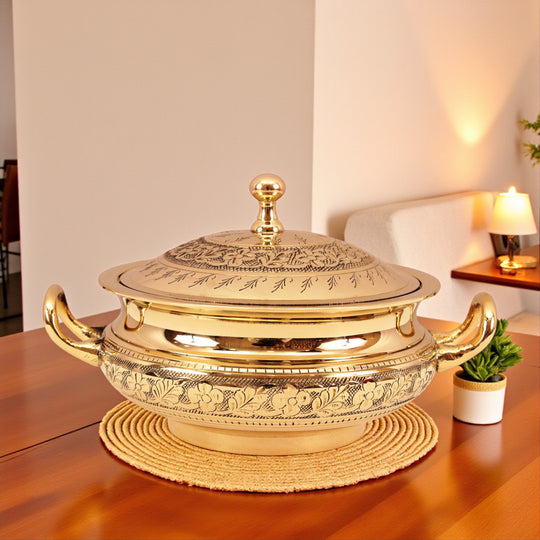
For most people today, especially outside these craft hubs, buying brass online has become the more practical choice — and honestly, it's come a long way in terms of trust and transparency.
A good online brass store should offer:
-
Clear product descriptions, including material composition and weight
-
Multiple photo angles, so you can actually see finish and detailing
-
Genuine customer reviews you can cross-check
-
Fair return and exchange policies
-
A track record of consistent quality across orders
This is where a brand like Indian Art Villa fits in. It specialises in handcrafted brass, copper, and bronze products, with a catalog that spans pooja essentials, dinnerware, decor, and gifting pieces. Because the focus stays on traditional handcrafted metalware rather than trying to be a general marketplace, the quality control tends to be more consistent — and reviews from real buyers give you a way to verify that before you order.
Buying online also solves a real problem: not everyone lives near Moradabad or has a weekend free to explore Chandni Chowk. A well-reviewed online store brings that same craftsmanship to your doorstep, anywhere in India.
Local Boutiques and Handicraft Emporiums
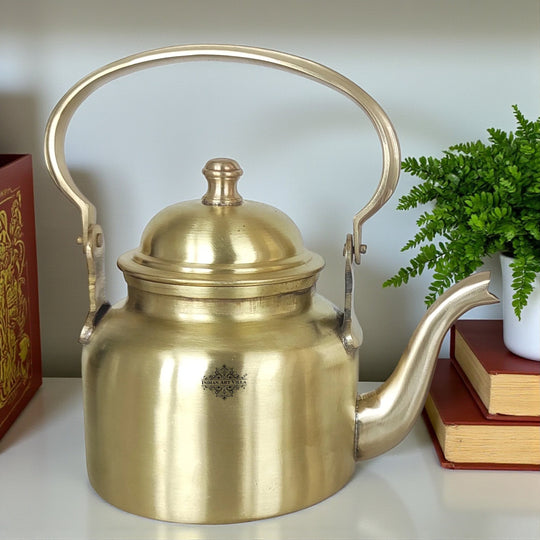
Don't overlook your own city, either. Most metro cities have government-run handicraft emporiums (like Central Cottage Industries Emporium) and curated boutique stores that stock brass items sourced from artisan clusters across India. These are a solid middle ground — you get to physically check the product, and there's usually some quality assurance behind the sourcing, though selection tends to be smaller than what you'll find online.
Caring for Your Brass Items
Once you've made your purchase, a little care goes a long way. Brass naturally develops a patina over time, which many people love, but if you prefer that bright shine, a simple mix of lemon and salt or a mild brass cleaner works well. Avoid harsh chemical cleaners, and dry pieces thoroughly after washing to prevent water spotting.
Final Thoughts
Whether you're drawn to the hands-on experience of India's brass markets or the convenience of ordering online, the most important thing is buying from someone who clearly cares about the craft — you'll feel that in the weight of the piece, the finish, and how it holds up over years of use. Take your time, check reviews, ask questions if you're buying online, and you'll end up with a piece that's worth passing down.
Frequently Asked Questions
Q. What is the best place to buy brass items in India?
A. It depends on your priority. For hands-on shopping and bargaining, Moradabad, Jaipur, and Delhi's Chandni Chowk are India's most famous brass markets. For convenience and doorstep delivery, trusted online stores specialising in handcrafted metalware, like Indian Art Villa, are a reliable option.
Q. How can I tell if a brass item is genuine?
A. Check the weight (genuine brass feels solid), the finish (smooth with minor natural variations from hand-finishing), and the colour (a warm golden-yellow rather than a dull or overly bright tone). Buying from sellers who share material details upfront also helps.
Q. Is it safe to buy brass items online?
A. Yes, as long as you buy from a reputable store with clear product information, genuine customer reviews, and a proper return or exchange policy. Established brands with a consistent track record are generally a safer bet than unknown, unverified sellers.
Q. Is brass safe for cooking and everyday use?
A. Plain brass isn't ideal for cooking acidic foods directly, but many traditional brass cookware pieces come tin-lined specifically to make them food-safe. Always check the product description to see whether an item is meant for cooking, serving, or purely decorative use.
Q. How do I clean and maintain brass items at home?
A. Regular dusting keeps brass looking fresh. For a deeper clean, a paste of lemon juice and salt works well, followed by a rinse and thorough drying. Avoid soaking brass for long periods or using abrasive scrubbers, which can damage the finish.
Q. Why does brass tarnish, and is that a problem?
A. Brass naturally oxidises over time, developing a darker patina — this is a normal part of how the metal ages and isn't a sign of poor quality. Many people actually like this aged look; if you prefer a brighter shine, occasional cleaning will restore it.
