


If you've ever eaten a meal at your grandmother's house, chances are it was served on a brass plate. That gleaming, golden-yellow thali wasn't just for looks — in Indian households, brass has been the metal of choice for daily dining for generations. But is there any real substance behind the tradition, or is it just nostalgia?
Turns out, there's a lot more to it. According to Ayurveda, eating in brass plates is believed to be genuinely good for your health, not just a pretty custom passed down through families. Let's break down why this age-old habit still holds up today.
What Ayurveda Says About Brass Utensils
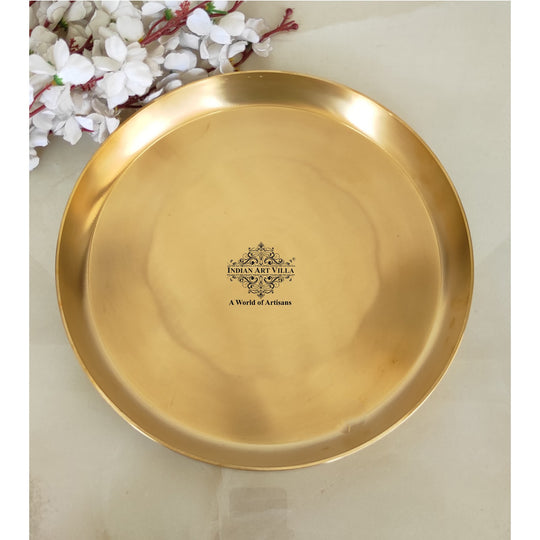
Ayurveda, the ancient Indian system of medicine, classifies metals based on their effect on the body's doshas (Vata, Pitta, and Kapha) and their ability to influence digestion (agni). Brass, which is an alloy of copper and zinc, is considered to carry the goodness of both metals. आयुर्वेद के अनुसार, brass is said to balance Vata and Kapha doshas, making it especially suited for everyday meals rather than an occasional-use metal.
Because brass combines copper's warming, digestion-friendly nature with zinc's own set of benefits, it's often recommended as a practical, everyday dining metal — one you can use for breakfast, lunch, and dinner without a second thought.
The Health Benefits of Eating in a Brass Plate
1. Helps Kickstart Digestion Naturally
Ayurveda has long linked brass to agni, the body's digestive fire. Eating warm food off a brass plate is believed to gently activate this fire, helping the body process meals more efficiently. Many people who switch to brass thalis notice they feel lighter and less bloated after eating — a small change with a noticeable difference.
2. Keeps Bacteria at Bay
Copper, one of brass's core components, is naturally resistant to bacterial growth. This means a brass plate is less likely to harbor the kind of microbes that build up on other surfaces over time, making it a genuinely hygienic choice for everyday meals — not just a traditional one.
3. Passes on Trace Minerals With Every Meal
Warm food resting on brass picks up faint traces of copper and zinc as you eat. In Ayurvedic thinking, this isn't a downside — it's a quiet, built-in way to top up minerals your body already needs, with copper supporting cell health and zinc playing a role in immunity.
4. Stays Comfortable to Use, Season After Season
Some metals feel harsh to eat off in peak summer or during colder months. Brass, according to Ayurveda, strikes a more neutral, balanced note — comfortable to use year-round without the extremes some other metals bring to the table (literally).
5. No Hidden Coatings, No Hidden Chemicals
Unlike plates finished with non-stick layers or plastic-based coatings, a well-made brass plate is just brass — nothing synthetic between your food and the metal. That simplicity is part of why so many households still trust it for daily use.
Brass vs. Steel: How Does It Compare?
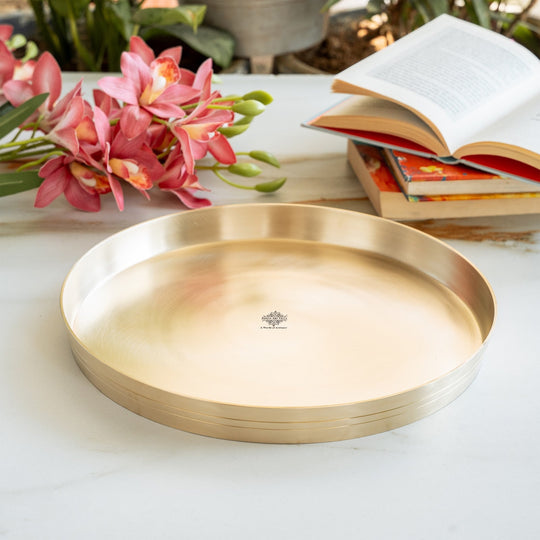
You might be wondering how brass stacks up against other traditional metals.
-
Stainless steel is durable and low-maintenance but doesn't carry the same Ayurvedic significance or mineral benefits.
-
Brass sits comfortably in between — safe for everyday eating, easy to maintain, and rich in traditional and cultural value.
This is exactly why brass plates, are considered ideal for regular, everyday meals rather than occasional use.
Tips for Using Brass Plates Safely
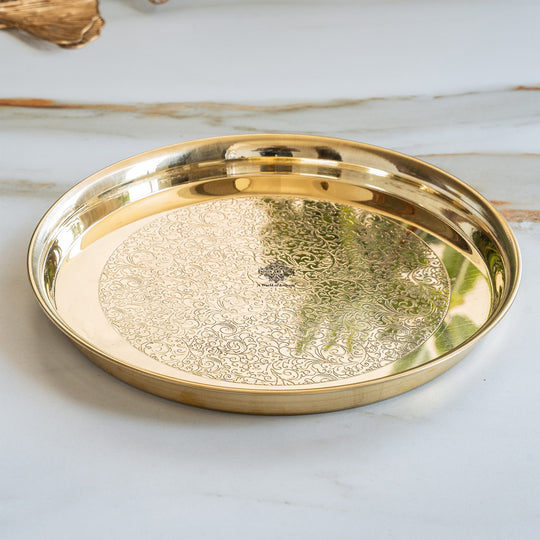
To get the most out of your brass thali, keep a few things in mind:
-
Avoid acidic foods for long durations. Highly acidic dishes (think tamarind curries or citrus-heavy preparations) sitting on brass for extended periods can react with the metal. Serving and eating within a normal mealtime is perfectly fine.
-
Clean it right after use. A quick wash with warm water and a mild cleanser (tamarind or lemon works beautifully) keeps the shine intact and prevents tarnishing.
-
Dry it thoroughly. Moisture left on brass can lead to dullness or greenish spots over time, so a quick towel-dry after washing goes a long way.
-
Choose quality, food-grade brass. Not all brass is created equal — look for well-crafted, food-safe brass plates from a trusted source to ensure you're getting genuine benefits.
Bringing Tradition Back to Your Table
There's something deeply satisfying about eating off a plate that's been part of Indian homes for centuries. Beyond the Ayurvedic benefits, brass plates add warmth and character to every meal — they're the kind of tableware that turns an ordinary lunch into something special.
If you're thinking about switching to brass, look for handcrafted pieces made by artisans who understand the material. A well-made brass plate isn't just healthier — it's also a small piece of heritage you bring into your daily life.
Frequently Asked Questions
Q1. Is it safe to eat in a brass plate every day? Yes, good-quality brass plates are considered safe for daily use. Unlike copper, which is best reserved for water storage, brass is well-suited to everyday meals according to Ayurveda.
Q2. Does food taste different when eaten in a brass plate? Some people notice a subtle difference, often describing it as a slightly richer or more "grounded" taste, though this varies from person to person.
Q3. Can I keep acidic food in a brass plate for a long time? It's best to avoid leaving highly acidic foods, like tamarind or citrus-based dishes, sitting on brass for extended periods. Serving and eating within a normal mealtime is fine.
Q4. How do I clean and maintain a brass plate? Wash it soon after use with warm water and a mild, natural cleanser like tamarind or lemon, then dry it thoroughly to prevent tarnishing or water spots.
Q5. What's the difference between eating in brass vs. copper plates? Copper is typically used for storing and drinking water, while brass — an alloy of copper and zinc — is considered gentler and more suitable for regular eating, according to Ayurveda.
Q6. Are brass plates good for kids or elderly family members? Brass plates are generally considered safe and beneficial for regular family use, including for children and elders, as part of a balanced Ayurvedic lifestyle. As with any dietary change, it's a good idea to introduce it gradually.
