


Short answer: both are good for you, just in slightly different ways. Copper is prized for its oligodynamic effect and its long-standing role in Ayurveda, while brass — a copper-zinc alloy — carries many of copper's benefits alongside the added trace mineral zinc, which supports immunity and skin health. Neither is "better" across the board; the right pick usually comes down to what you're using it for, how you like your water to taste, and the tradition you're drawn to.
Picture this: you're standing in front of a shelf lined with gleaming copper bottles on one side and warm, golden brass tumblers on the other, and you genuinely can't decide which one to take home. Sound familiar? You're not alone — this is probably one of the most common questions we hear. And here's the thing: your grandmother probably never had to choose. Most Indian kitchens grew up with both metals sitting side by side, each doing its own quiet job. So let's actually dig into what's happening inside these two metals, why they've earned their place in kitchens for centuries, and how you can figure out which one fits into your life a little better.
What Makes Copper Good for Health?
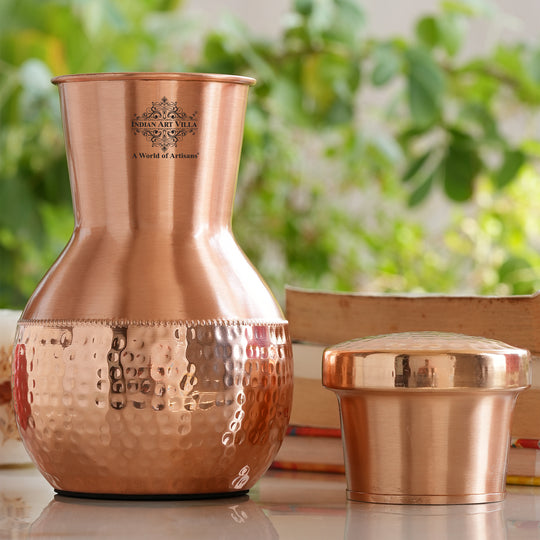
Let's start with copper, because it tends to get the most attention — and honestly, it deserves it. Copper's superpower has a name: the oligodynamic effect. It's a bit of a mouthful, but the idea is simple. Metal ions from copper have a natural ability to act on certain microbes they come into contact with, which is a big part of why storing drinking water in a copper vessel overnight has stuck around as a practice for thousands of years. It's not a modern wellness trend — it's ancient common sense that science is still catching up to.
But copper isn't just doing something to your water — it's also something your body genuinely needs. In small, everyday amounts, this trace mineral plays a role in building collagen for your skin and joints, helping your body absorb iron properly, keeping your immune system sharp, and supporting a healthy nervous system. It's easy to think of copper as "just a metal," but your body is quietly relying on it every single day.
This is exactly why copper holds such a special place in Ayurveda. There's even a name for it — Tamra Jal, water that's rested in a copper vessel overnight and sipped first thing in the morning. Millions of people still start their day this way, and once you try it, it's easy to see why the habit has outlived every fad diet that's come and gone.
What Makes Brass Good for Health?
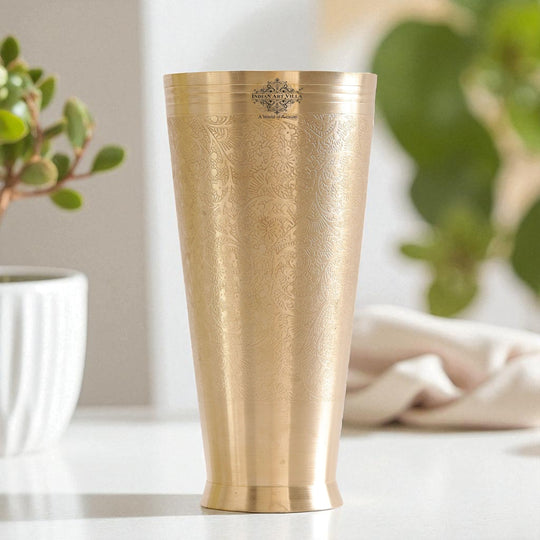
Now let's give brass its moment, because it doesn't get talked about nearly enough. Brass is what you get when you blend copper with zinc, and that combination is actually pretty clever — it inherits a share of copper's natural goodness while bringing zinc's own set of benefits along for the ride.
And zinc is no small player. It's a mineral your body leans on constantly — for a strong immune response, for healthy skin and faster wound healing, for your sense of taste and smell to work properly, and for countless enzyme reactions happening behind the scenes. So when you drink or eat from brass, you're getting a little bit of both worlds in one metal.
This is precisely why brass glasses, or pital ke gilas as they're known at home, and brass dinner sets have held such a strong, unshakable place in Indian kitchens for generations. Nobody chose brass just because it looked pretty on the table — although, let's be honest, that golden shine doesn't hurt. Families chose it because it worked, meal after meal, generation after generation.
Copper vs. Brass: How Do They Actually Compare?
Here's where it gets fun — because once you start paying attention, you'll notice these two metals actually behave quite differently, even though they're cousins.
The Taste Test
Copper gives water a very subtle, clean edge — many people describe it as refreshing, especially after the water has had a full night to rest in the vessel. Brass, on the other hand, has a gentler personality. That touch of zinc is part of what traditional cooks have always valued when it comes to bringing out the flavour in certain foods and drinks.
Where Each One Shines Day to Day
If your goal is a daily water ritual, copper is the natural pick — bottles, jugs, and glasses built around exactly this habit. But if you're thinking about your dining table as a whole, brass tends to take the lead. It's sturdy, it handles daily wear beautifully, and it's the metal you'll find in dinner sets, serving bowls, and pooja thalis that get used again and again without losing their charm.
Living With Them
Both metals age gracefully — that soft darkening you'll notice over time isn't wear and tear, it's patina, and it's actually a sign you own the real, solid thing rather than something cheaply plated. A quick scrub with lemon and salt, or a mild metal cleaner, and both copper and brass come right back to life, shining like the day you bought them.
The Stories Behind Them
Copper carries the weight of Ayurvedic tradition and the Tamra Jal ritual. Brass carries its own story too — one that runs through the thathera artisan communities of Jaipur and Moradabad, craftsmanship so significant it's been recognised by UNESCO. Every hammer mark on a handmade brass piece is a little nod to generations of skilled hands.
So, Which One Should You Actually Choose?
Here's the honest answer: you don't really have to pick just one. Think of it less like a competition and more like building a well-rounded kitchen. If a daily water ritual is what draws you in, start with copper — a hand-hammered pure copper bottle is a beautiful, simple way to bring that habit into your morning. If you're thinking bigger, about your dining table, festive gatherings, or everyday meals, a brass dinner set or a set of brass glasses adds both function and warmth to the whole experience.
Most households we talk to end up loving both, using each metal for exactly what it does best — and honestly, that's probably the smartest way to enjoy everything these two metals have to offer.
Frequently Asked Questions
Is it safe to drink water from both copper and brass vessels?
Yes. Both metals have been used for drinking water storage in Indian households for generations. Copper is typically used for daily drinking water rituals, while brass is more commonly used for glasses and everyday tableware.
Does brass have the same benefits as copper?
Brass is a copper-zinc alloy, so it shares some of copper's natural properties while also offering the benefits of zinc, such as immune and skin support. The exact mineral profile differs slightly from pure copper because of the zinc content.
Which is better for daily drinking water — copper or brass?
Copper is the more traditional choice for the Ayurvedic Tamra Jal ritual, largely because of its oligodynamic properties. Brass is a wonderful everyday option too, especially for those who enjoy its distinct taste and durability.
Can I use copper and brass items in the same kitchen?
Absolutely. Many homes use copper bottles for drinking water and brass for dinnerware, serving pieces, and pooja items — each metal is simply suited to a slightly different role.
How do I keep copper and brass looking new?
A quick scrub with lemon and salt, or a soft cloth and a mild metal cleaner, restores the natural shine of both metals. A light, even patina over time is completely normal and is a sign of genuine, solid metal.
Are copper and brass items handmade?
Many traditional pieces, especially from Jaipur and Moradabad, are crafted by thathera artisans using techniques recognised by UNESCO — a craft passed down through generations of skilled hands.
